Sources for Polish citizenship confirmation
Confirming Polish citizenship (potwierdzenie obywatelstwa polskiego) requires documentary proof that your ancestor was a Polish citizen — typically between 1920 and 1951. These are the archival sources we use most often to build that proof.
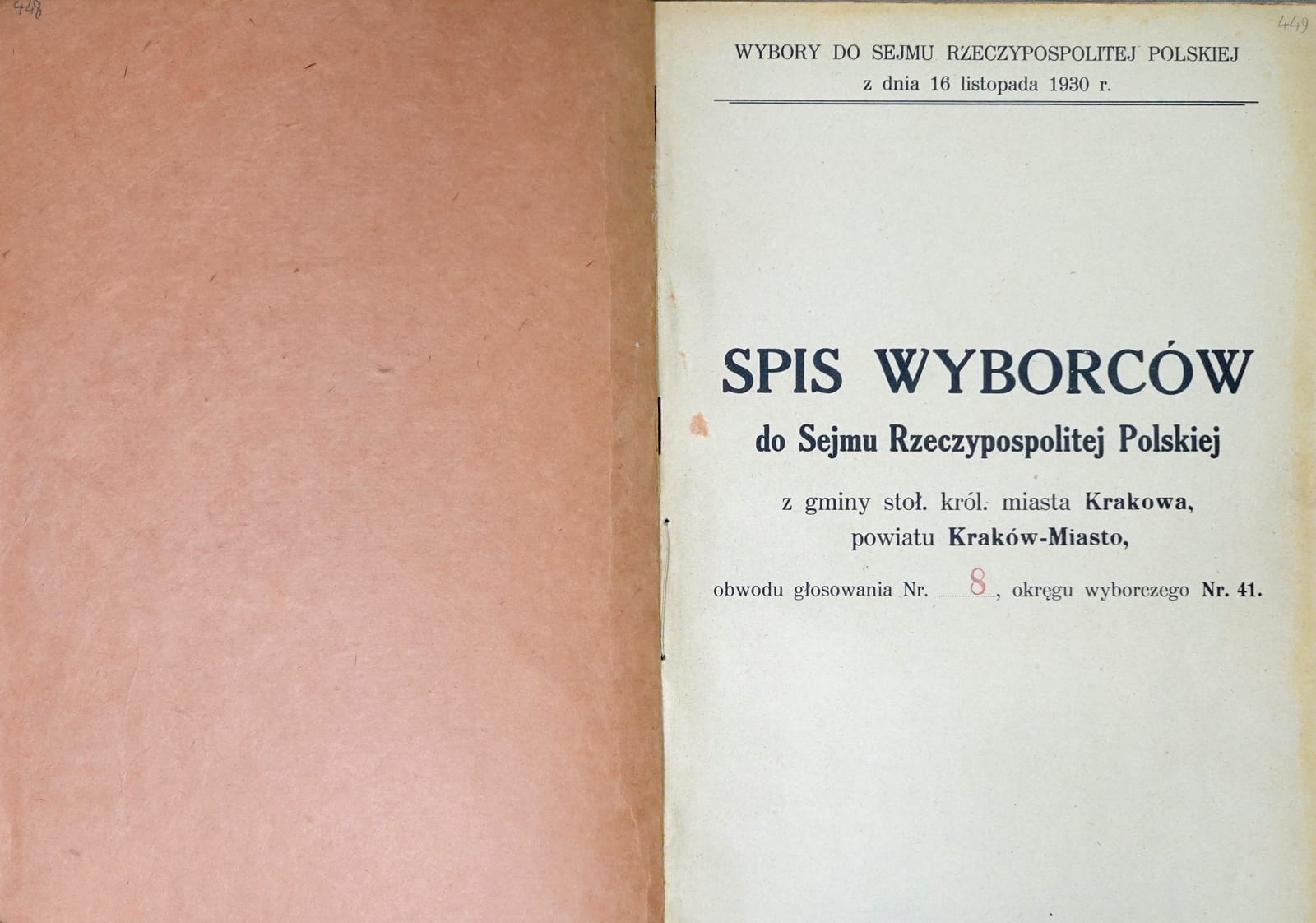
1930 Sejm election voter lists
The November 1930 parliamentary elections produced near-comprehensive voter lists for the entire Second Polish Republic — one of the strongest single proofs of Polish citizenship for confirmation cases today.
Read more →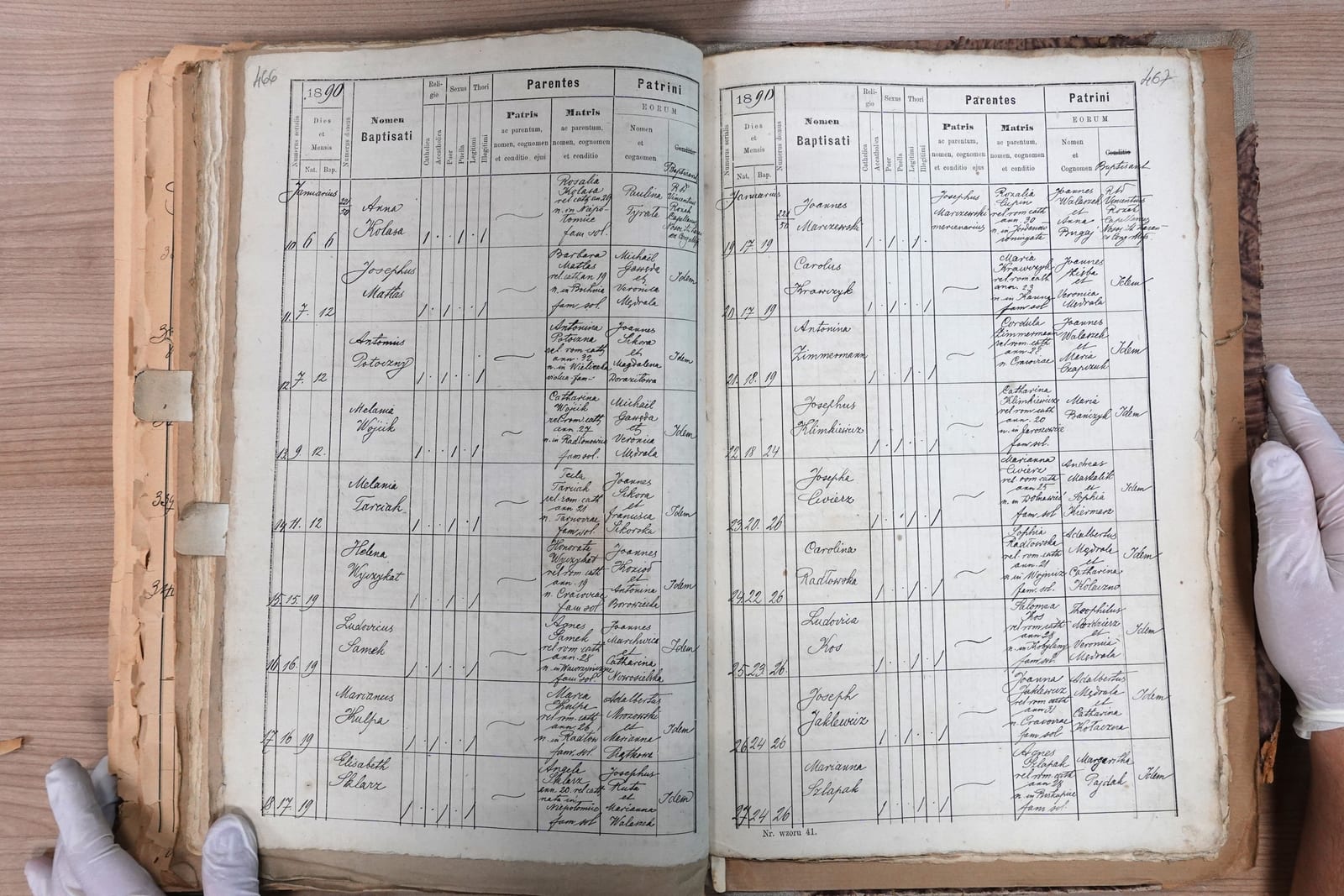
Vital records (births, marriages, deaths)
The foundation of any genealogical research — parish and civil registers documenting births, marriages, and deaths, often the only surviving evidence of a person’s existence.
Read more →
Census records (for selected locations)
Population counts and household lists from the Austrian, Prussian, and later Polish administrations — surviving unevenly, but a goldmine when they do.
Read more →
ID card applications (wnioski o dowód osobisty)
Polish ID card applications (from the 1950s onward) contain a photograph, place and date of birth, parents’ names, and prior addresses — one of the best proofs of Polish citizenship for confirmation purposes.
Read more →
Residency registers (księgi meldunkowe)
Town and village registration books listing every resident — temporary and permanent — by household. Useful both for general research and as proof of residence in citizenship cases.
Read more →
Permanent population books (księgi ludności stałej)
Russian-partition population books listing the permanent residents of a town or village, with multi-generation family entries. Often a critical link in citizenship cases involving the former Russian partition.
Read more →